Dinner is on the table. Your child takes one look and announces, “I’m not hungry.”
But a little later, when the dishes are cleared and the pajamas are on?
“I’m hungry! Can I have a bedtime snack?”
If this feels familiar, you might be wondering how a child who barely touched dinner suddenly has room for crackers, a granola bar, or their favourite yogurt.
Sometimes, they really are hungry. Appetites vary, and dinner can arrive when children are tired or distracted. A request for food later doesn’t automatically mean they were deliberately holding out. But if this has become a regular pattern, there’s one part of your routine worth looking at: is the bedtime snack a food your child prefers over dinner?
Why a favourite bedtime snack can compete with dinner
Think about dinner from your child’s perspective. There might be different textures, unfamiliar smells, or foods they’re still learning to enjoy. Their favourite bedtime snack, meanwhile, feels easy. They know what it looks like, what it tastes like, and that they enjoy eating it.
If they expect that favourite option shortly after dinner, waiting for it may feel more appealing than approaching what’s on their plate. This doesn’t make your child “bad,” and it doesn’t mean their hunger later is pretend. It means the food they expect next may be influencing how they approach the evening meal. More encouragement to “just take a few bites” doesn’t address that expectation. Looking at the snack menu gives you a different place to start.
Don’t make their preferred food the default bedtime snack
If your child regularly skips dinner and waits for a favourite snack, choose a manageable food that isn’t their top choice for the bedtime offering.
The goal is to keep the snack available as an opportunity to eat, without making it the meal they look forward to instead of dinner. This is about the food’s appeal to your particular child. Yogurt might be an everyday option for one child and the favourite another would happily wait all evening to eat. There isn’t one universal list of foods to avoid at bedtime.
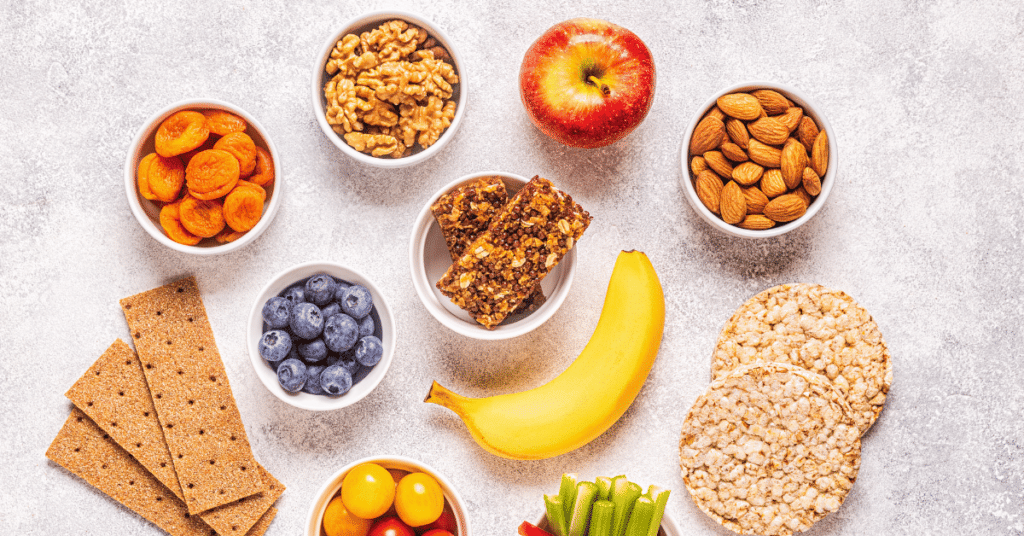
Looking for options beyond the usual favourites? Download my list of 52 Snack Ideas for inspiration you can draw from throughout the week. Choose options that suit your child’s age, allergies, and eating skills and consider which ones are manageable without being their number-one choice.
Less preferred doesn’t mean a food they can’t eat
There’s an important distinction between choosing something other than the favourite and serving a food your child finds overwhelming. The snack should still be a realistic opportunity to eat. The aim isn’t to make it unpleasant, test how hungry your child is, or use hunger to get them to accept a difficult food. You’re simply reconsidering whether the automatic bedtime favourite is making dinner less appealing by comparison.
And keep something familiar on the dinner table, too. If the entire meal feels difficult to approach, changing the snack alone won’t address that challenge. For children with very limited accepted foods, feeding difficulties, or growth concerns, get individual guidance from their healthcare or feeding professional before changing access to reliable foods.
Need dinner ideas that feel manageable? Check out my previous blog post which includes 10 dinner ideas.
Why this shouldn’t become a consequence for skipping dinner
It can be tempting to say:
“You didn’t eat dinner, so now you can only have this.”
But that turns the snack into a consequence. The message becomes that a less-preferred food is what happens when your child hasn’t eaten enough. Instead, think of the snack choice as part of your usual menu, independent of how much dinner they ate. If a bedtime snack is part of your routine, it remains an opportunity to eat whether dinner was two bites or two helpings.
Your child can decide whether they’re hungry and how much to eat. Their favourite foods can still have a place in your family’s meals and snacks; they simply don’t need to be the automatic alternative waiting after dinner every night.

Look at the pattern, rather than one difficult dinner
One small dinner followed by a hungry bedtime doesn’t mean you need to overhaul your routine. But if your child consistently leaves dinner and asks for the same favourite food later, consider what they’ve come to expect from the evening.
Start by looking at what you offer at bedtime: is it a manageable opportunity to eat, or has it become the preferred alternative to dinner?
That question can help you understand the pattern without adding more pressure at the table. Changing the snack isn’t a guarantee that your child will suddenly eat dinner, but it gives you one part of the routine to reconsider. If you still need snack ideas check out my list of 52 snack ideas below!