

We’re nearly a month into the school year, and if you have a picky eater, you may have already discovered that packing school lunch is harder than it looks. At the beginning of September, you probably had good intentions. You bought the new lunch box, stocked up on snacks and packed what you thought would be a balanced lunch.
But a few weeks in, you may be noticing a pattern:
The crackers are always gone.
The fruit sometimes comes home untouched.
The sandwich you spent ten minutes making? Still sitting there at 3:30.
And now you’re starting to wonder:
Are they getting enough nutrition?
Should I be packing different foods?
How do I make their lunch more balanced without sending food home every day?
If this sounds familiar, you’re not alone! You don’t necessarily need to completely rethink your child’s lunch. The goal isn’t to create a picture-perfect lunch box. For picky eaters, I want to think about lunch a little differently.
We want to provide steady energy, familiar foods and opportunities for nutrition while also considering whether your child is actually in a position to eat what you packed.
Because sometimes the problem isn’t the lunch, it’s everything happening around it.
What Makes a Balanced School Lunch?
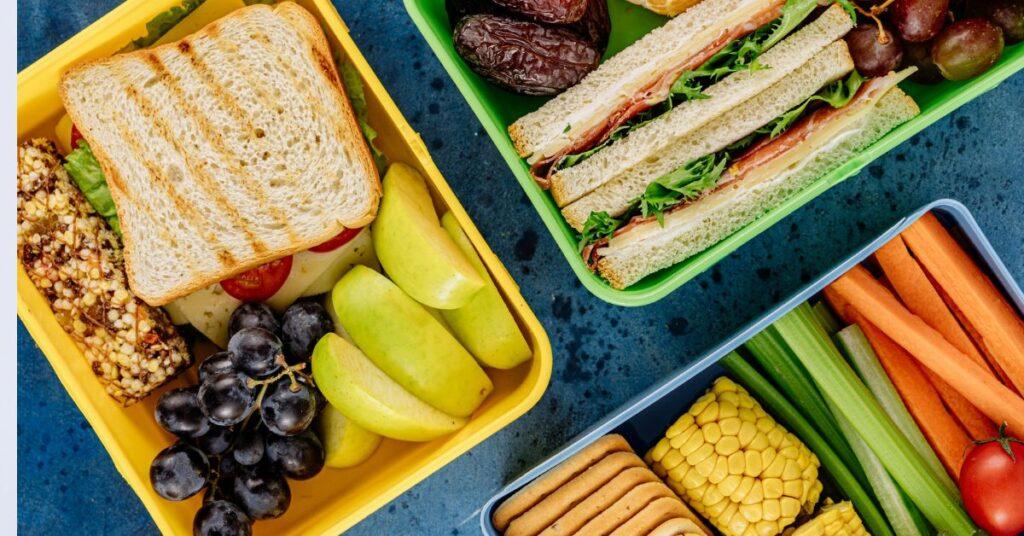
When I’m thinking about lunch, I want to make sure there are opportunities for protein, fibre and healthy fats.
These nutrients can help make a meal more satisfying and provide a steadier source of energy than a lunch made up primarily of quickly digested carbohydrates. But this doesn’t mean every lunch needs to contain a perfect combination of foods from every food group.
A lunch might include:
Protein
- Cheese
- Greek yogurt
- Eggs
- Chicken or turkey
- Hummus
- Beans
- Tofu
- Nut or seed butter (if accepted at your school)
Fibre-rich carbohydrates
- Whole grain crackers
- Whole grain bread
- Oat-based foods
- Higher-fibre cereals or granola
- Fruit
- Vegetables
- Beans and lentils
Healthy fats
- Nut or seed butter (if accepted at your school)
- Avocado
- Hummus
- Seeds
- Full-fat dairy
- Olive-oil-based dips or dressings
And remember: foods can fit into more than one category. Hummus, for example, provides both protein and fat. Beans provide protein and fibre. Nut and seed butters provide protein and fat. You don’t need to build the lunch box like a nutrition math equation. Just look for opportunities to add a little more staying power to the foods your child already enjoys.
Start With Foods Your Child Will Actually Eat
This is probably the most important place to start. If your child has a very limited food list, packing a lunch full of foods they don’t reliably eat isn’t going to make them suddenly more adventurous because it’s Tuesday. In fact, you may end up with a hungry child who has eaten very little all day. Instead, start with their safe foods.
Then ask:
What can I add to make this meal a little more sustaining?
| Start with… | Add protein and/or fat | Add carbohydrate |
|---|---|---|
| Crackers | Cheese or hummus | Fruit or veggies |
| Toast | Nut or seed butter, hemp seeds, cheese | Fruit or veggies |
| Plain sandwich | Cheese with chicken or turkey | Fruit or veggies |
| Yogurt | Hemp or chia seeds | Berries and/or granola |
| Pasta | Cheese or meatballs | Tomato sauce |
| Chicken nuggets | Cheese, avocado | Fruit and veggies |
| Granola bar | Yogurt, cheese or milk | Fruit and veggies |
You don’t have to completely change the lunch.
You can build from what your child already accepts. That’s often a much more realistic starting point.
Look at the Whole Day
One of the biggest mistakes I see parents make with picky eaters is putting an enormous amount of pressure on one meal.
They look at the untouched cucumber in the lunch box and think:
“They didn’t eat any vegetables today.”
But did they:
- Eat strawberries at breakfast?
- Have a smoothie?
- Eat peas at dinner?
Nutrition happens over time. If your child has a limited diet, I want you to look for opportunities to provide nutrient-dense foods throughout the whole day, rather than trying to cram every nutrient into their lunch box. This can also take some of the pressure off lunch.
If your child is currently eating a very limited number of foods, it may be more helpful to focus on maintaining adequate nutrition with the foods they reliably accept while working on food expansion at other times. If you’re curious about the best time to introduce new foods, check out my blog post on the 5 best times to serve a new food.
Lunch doesn’t have to be the place where you practice every new food.
But What If They Don’t Eat Lunch at School?

This is where I want you to look beyond the lunch box.
What is the lunch environment actually like?
Ask your child about it:
- Do they have enough time to eat?
- Are they expected to eat quickly?
- Are they distracted by friends?
- Is the cafeteria noisy?
- Do they have to open difficult containers themselves?
- Are they allowed to eat their food in the order they want?
- Are there rules about where they can sit or what they can bring?
- Does your child feel rushed, overwhelmed or uncomfortable?
Sometimes parents spend a lot of time trying to perfect the food when the bigger issue is the environment around eating.
A child who is perfectly capable of eating yogurt at home may not eat it at school if they’re given ten minutes to finish lunch and are distracted by everything happening around them.
So before you assume your child is rejecting the food, ask what lunchtime feels like for them.
Make the Lunch Easy to Eat
This sounds obvious, but it’s easy to overlook.
If your child is still learning to open containers, peel wrappers or manage certain foods independently, make lunch as easy as possible.
Think about:
- Can they open everything themselves?
- Are foods cut into manageable pieces?
- Are there foods they can eat quickly if they don’t have much time?
- Is there a familiar food they can start with?
- Are utensils easy to use?
- Does the lunch box make sense to them?
And ask your child what makes lunch easier.
They may have very specific preferences that you haven’t considered. Maybe they don’t like sandwiches because they get soggy. Maybe they prefer foods separated rather than mixed together. Maybe they don’t want yogurt because it takes too long to eat. Maybe they prefer fruit cut a certain way.
These details matter.
Let Your Child Help Pack Their Lunch

If you are currently doing all the lunch packing, try handing some of that responsibility over. Not because your child should suddenly be responsible for making a nutritionally balanced lunch. But because participation can increase ownership.
You might give them two or three choices such as:
- “Do you want crackers or pita?”
- “Apple or strawberries?”
- “Cheese or yogurt?”
- “Do you want the sandwich cut into squares or triangles?”
You can also involve them in preparing foods the night before. Small jobs like washing fruits or vegetables, packing utensil or putting the applesauce in the lunch bag matter. And over time, your child can learn what goes into making a lunch that works for them.
You Don’t Need to Pack Five New Foods
One of the easiest ways to make lunch stressful for both you and your child is to treat the lunch box as an opportunity to introduce lots of new foods.
Instead, think about familiarity + nutrition + gentle exposure.
For example:
A familiar lunch:
Crackers + cheese + apple
A small step:
Crackers + cheese + apple + one new berry
Another step:
Crackers + cheese + apple + a different type of cheese
The new food doesn’t have to be eaten.
You are simply giving your child another opportunity to see, smell and become familiar with it. And if lunch is already a stressful environment, you may decide that food exposure is better saved for home. There is no rule saying every meal has to be a learning opportunity.
What If My Child Comes Home Starving?
First, take a look at how much they are actually eating at school.
If lunch is consistently coming home untouched, that’s important information. It may be that the lunch doesn’t contain enough foods they reliably eat. It may be that your child doesn’t have enough time to eat. Or there may be something about the environment that is making eating difficult.
This is another reason I don’t recommend simply packing “healthier” foods and hoping your child eventually eats them. We need to make sure there is enough food your child feels comfortable eating. You can work on expanding variety while still making sure they have access to adequate nutrition.
If the school environment is consistently part of the issue, ensure your child has an option for a filling after-school snack ready when they get home. Having time to focus in a quieter environment with less distractions may help. See my post about after-school snacks if you want some guidelines on snacking without ruining dinner!
Checklist for Building a Picky Eater-Friendly Lunch
Instead of thinking:
“What healthy lunch should I make?”
Try asking:
1. What is one food my child reliably eats?
2. Can I add a source of protein?
3. Can I add fibre?
4. Is there an opportunity for healthy fat?
5. Is there something familiar?
6. Can my child actually eat this lunch at school?
That’s it.
You don’t need a Pinterest-worthy lunch box, you need a lunch your child can comfortably eat.
Still Need Help Building a Better Lunch Box?
I’ve created the Ultimate Lunch Box Training & Guide to help you put together simple, balanced lunches that your child will actually eat.
And if you’re struggling with a very limited food list, lunch refusal or a child who simply won’t eat many of the foods you’re offering, this may be bigger than lunch.